Decoration
Embroidery vs. Screen Printing: How to Choose for Your Team
By Sportswear Plus team · · 3 min read
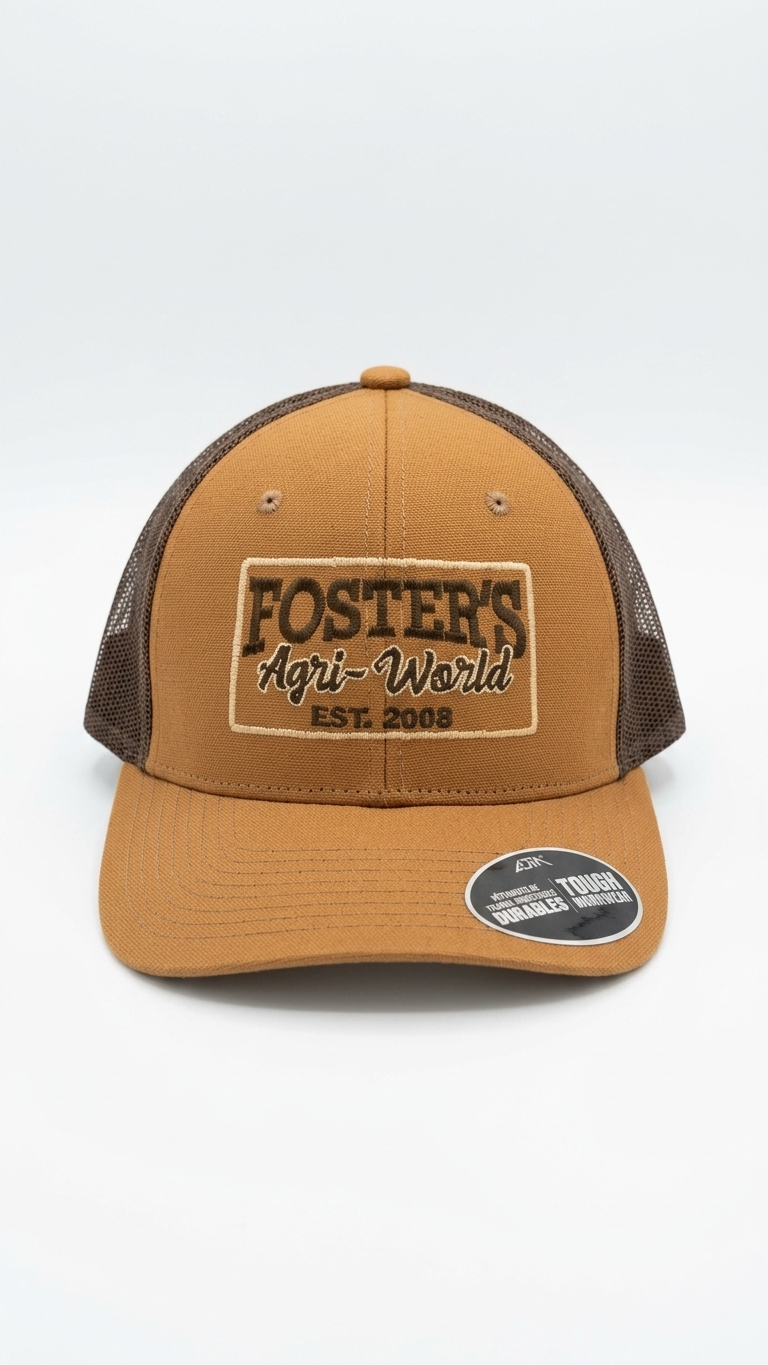
When a business or team orders custom branded apparel, the first real decision is how the logo goes on. The two methods we get asked about most are embroidery and screen printing. Both last well when they are matched to the right garment, and neither one is the right answer every time. This guide walks through how they differ so you can come to a quote with a clear idea of what you want.
How the two methods work
Embroidery stitches your logo into the fabric with thread. A digitised file tells the machine where every stitch goes, so the result is raised, textured and stitched right into the garment. It has a polished, finished look that suits uniforms, caps and outerwear.
Screen printing pushes ink through a fine mesh screen onto the garment. Each colour in the design usually needs its own screen, and the ink sits on or in the fabric. It handles large designs, bold graphics and soft, flexible prints across the front or back of a shirt.
Suitable garments and common uses
Where embroidery tends to fit
- Polos, button-up shirts and other front-of-house uniforms
- Caps and toques, where a stitched logo holds its shape
- Jackets, vests and heavier fleece
- Small left-chest or sleeve logos that should look clean and professional
Where screen printing tends to fit
- T-shirts and long sleeves for events, fundraisers and teams
- Large back prints or full-front graphics
- Designs with bold shapes and solid colour areas
- Lighter garments where a heavy stitch area would feel stiff
Logo detail, placement and fabric
Very fine lines and tiny lettering are the main thing to watch with embroidery. Thread has a physical width, so detail that looks crisp on screen can fill in when it is stitched small. We may suggest simplifying a logo, enlarging it, or using a version made for stitching. Screen printing holds finer detail at larger sizes, but extremely thin lines and soft gradients still need a check before production.
Fabric matters too. Thin, stretchy performance fabrics can pucker under a dense stitch area, while heavy or textured fabrics can make a print look uneven. Tell us the garment you have in mind and we will tell you which method suits it, or suggest a garment that suits your logo better.
How quantity, colours and setup affect the quote
Both methods have setup work before the first piece is decorated. For embroidery, that is digitising the logo into a stitch file. For screen printing, that is preparing a screen for each ink colour. Setup is spread across the order, so quantity has a big effect on the price per piece.
- Embroidery pricing is mostly driven by stitch count, which follows the size and density of the logo.
- Screen printing pricing is mostly driven by the number of ink colours and the number of print locations.
- Mixed garment colours can change the screen printing setup, for example when a design needs an underbase on dark shirts.
Because these factors interact, we do not say one method is always cheaper. A one-colour print on a large run of tees and a small stitched logo on a handful of polos are priced in very different ways. A quote with your real logo and quantities is the only reliable comparison.
When heat transfers are worth discussing
Heat transfers apply a printed design with heat and pressure. They can be useful for names and numbers on team gear, full-colour artwork, small mixed runs, and items like bags and coolers where stitching or screens are awkward. If your order does not fit neatly into embroidery or screen printing, ask about transfers. You can see examples of all three on our services page.
What to send when you request a quote
- Your logo, ideally as a vector file (AI, EPS, PDF or SVG). A clear PNG is a good start if that is all you have.
- The garments you want, or the job they need to do
- Approximate quantity of each garment and colour
- Where each logo goes and roughly how large
- Your needed-by date
Send those through our quote form and we will recommend a method for each item.
Keeping future reorders consistent
Once your logo is digitised or set up for print, keep a note of the garment style, colour, logo size and placement. When you reorder, those details let us match the first run closely. If you have ordered with us before, the reorder page is the quickest way to repeat or add to an order.